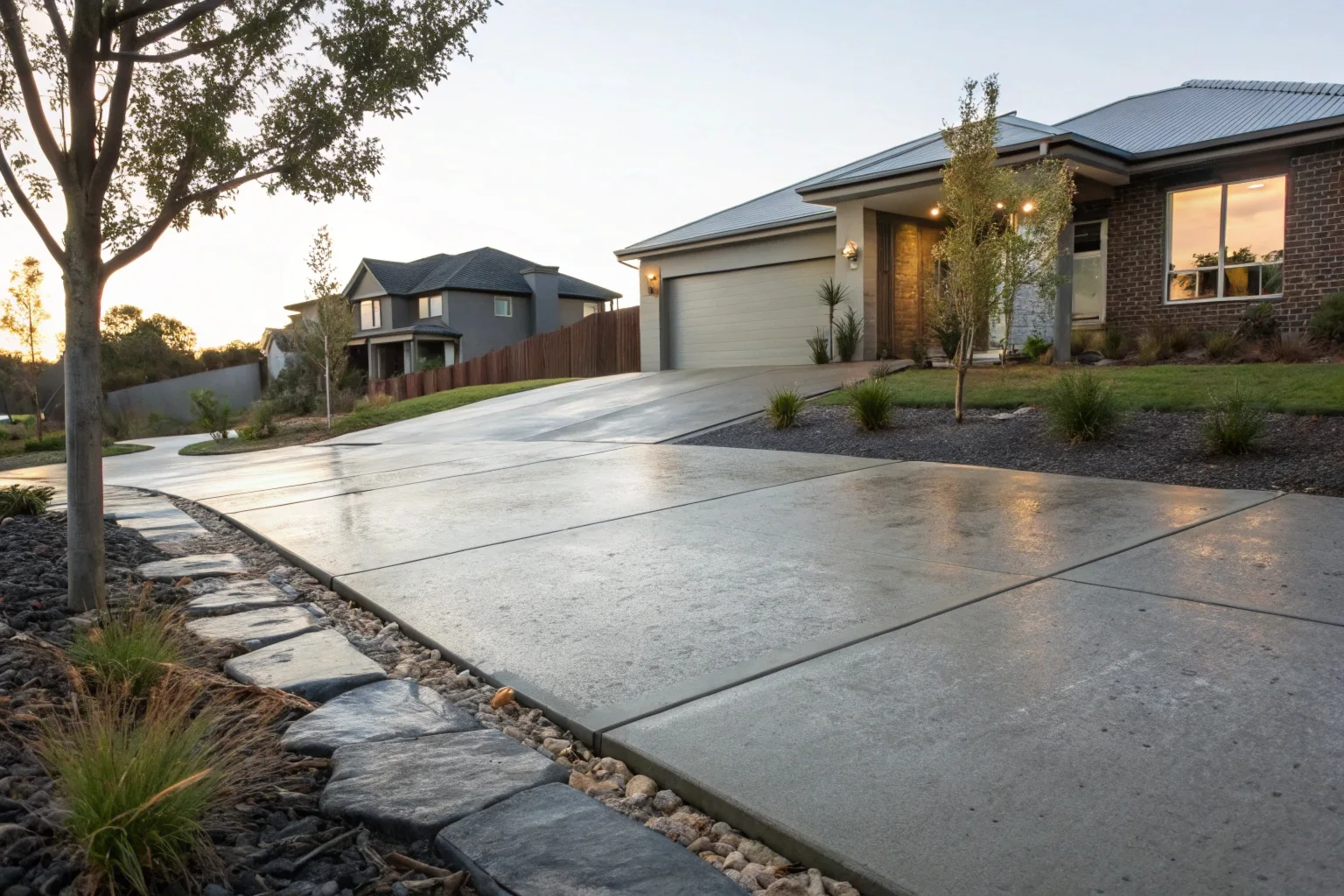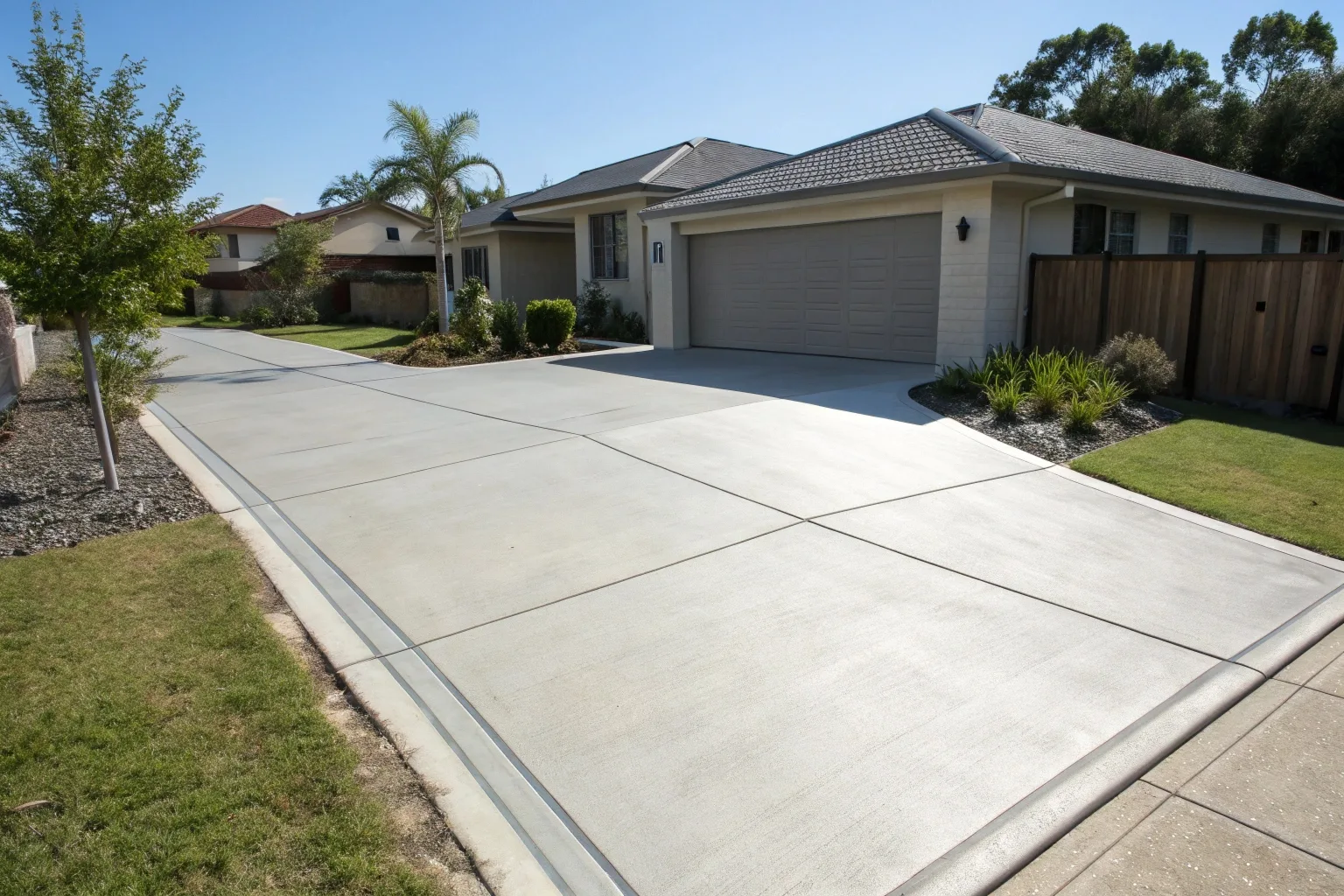
If you’re weighing up a new concrete driveway, the first question is almost always the same: how long is this actually going to last? The honest answer depends less on concrete itself and more on how well it’s engineered for the ground it sits on and the climate it has to survive.
Why Canberra Is a Tougher Test Than Most Cities
Canberra puts more stress on a driveway than most Australian capitals. Winter mornings regularly drop to around -7°C, while summer days can climb past 40°C — a swing of close to 47 degrees across the year. Concrete expands and contracts with every one of those cycles, and a mix that isn’t designed for it will eventually show it through surface cracking and frost damage.
On top of the temperature swing, most of the region sits on reactive clay soils that shift with the seasons — a major cause of premature cracking when the base and reinforcement underneath aren’t engineered for it. Our guide to Canberra’s reactive clay soil covers what that involves in more detail.
What Actually Determines Lifespan
A handful of factors do most of the work in determining how long a driveway holds up:
- Base preparation — how well the ground was compacted and prepared before any concrete was poured.
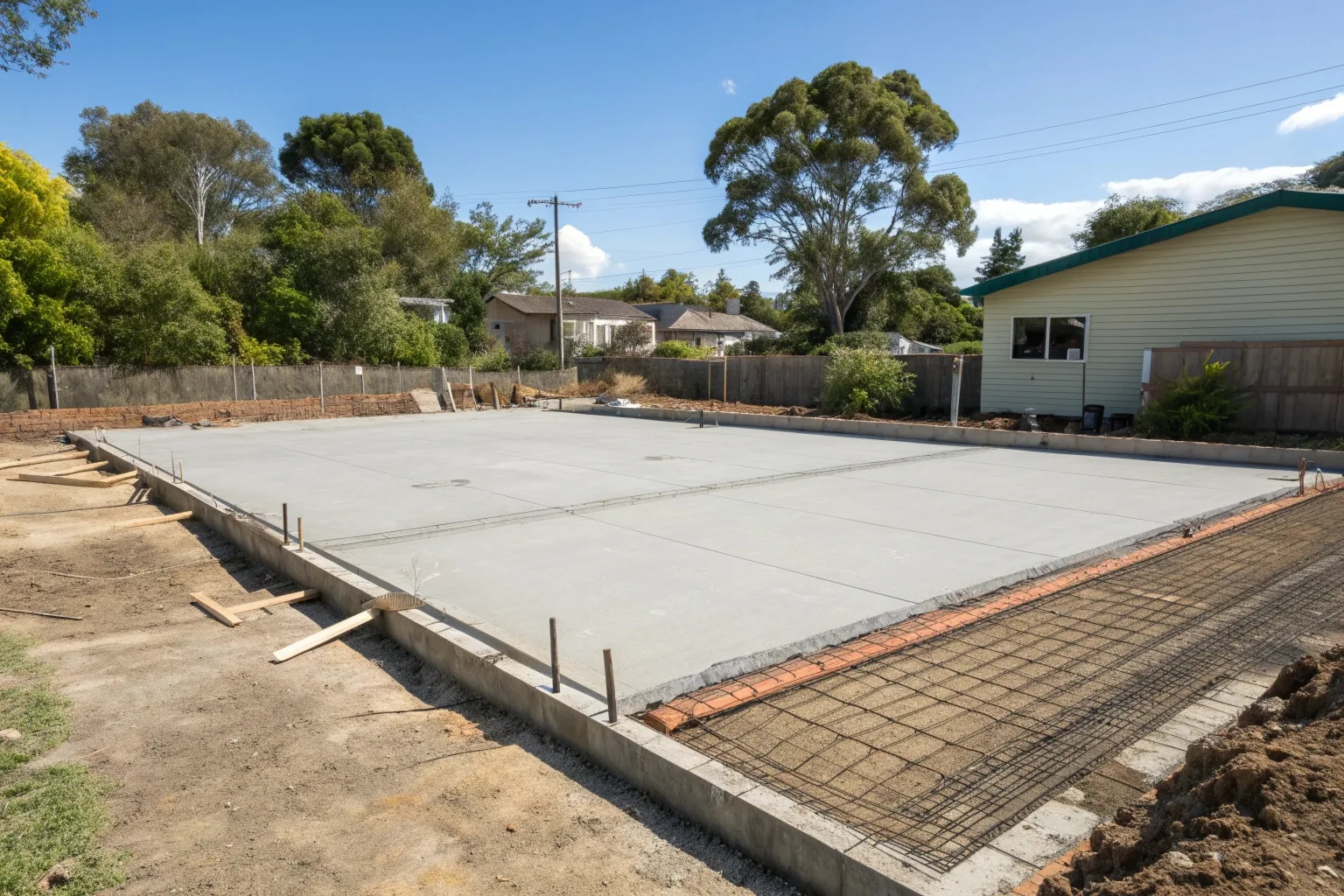
- Reinforcement — steel mesh or bar sized correctly for the soil movement it needs to handle.
- Mix design — a frost-resistant mix suited to freeze-thaw cycles, rather than a generic mix used regardless of climate.
- Finishing and curing — how the surface was finished and cured in the days after the pour, which affects long-term durability.
- Ongoing care — periodic sealing and basic cleaning, covered in more detail in our guide to sealing concrete in Canberra.
The Realistic Number
Done properly, a concrete driveway in Canberra conditions should give you somewhere in the range of 25-30 years of solid performance, with only minor maintenance along the way. Compare that to asphalt, which typically needs resurfacing every 5-7 years, or pavers that need periodic relevelling as the ground shifts beneath them, and the long-term value of a correctly installed concrete driveway becomes clear.
Getting the Foundation Right From the Start
None of the above matters if the base underneath isn’t right. This is where a lot of driveways run into trouble years down the track — the surface concrete looks fine on the day it’s poured, but the base wasn’t compacted or reinforced for the specific soil conditions on that property. For a closer look at what a properly engineered base actually involves, see our guide to concrete slab and foundation preparation on Canberra’s clay soils. It’s a pattern we see often in established suburbs like Belconnen, where many driveways are now decades old.
Frequently Asked Questions
Does a sealed driveway last longer than an unsealed one?
Yes. [Sealing](/blog/how-often-should-you-seal-concrete-in-canberra/) helps protect the surface from water penetration, staining, and the freeze-thaw damage that comes from moisture sitting in the concrete over winter. It's a low-cost way to extend the practical life of the surface.
Is a longer driveway more likely to crack?
Length itself isn't the issue — it's whether the driveway has the correct number and placement of control joints to manage the concrete's natural movement. A longer driveway simply needs more joints planned into the design.
Can an existing cracked driveway be repaired instead of replaced?
In some cases, yes — it depends on whether the cracking is cosmetic or a sign of a deeper base or reinforcement issue. A proper assessment on site is the only reliable way to know which situation you're dealing with.
Ready to Get Started?
Get a free, no-obligation quote for your project — Canberra-wide, ACT-standard concrete work.