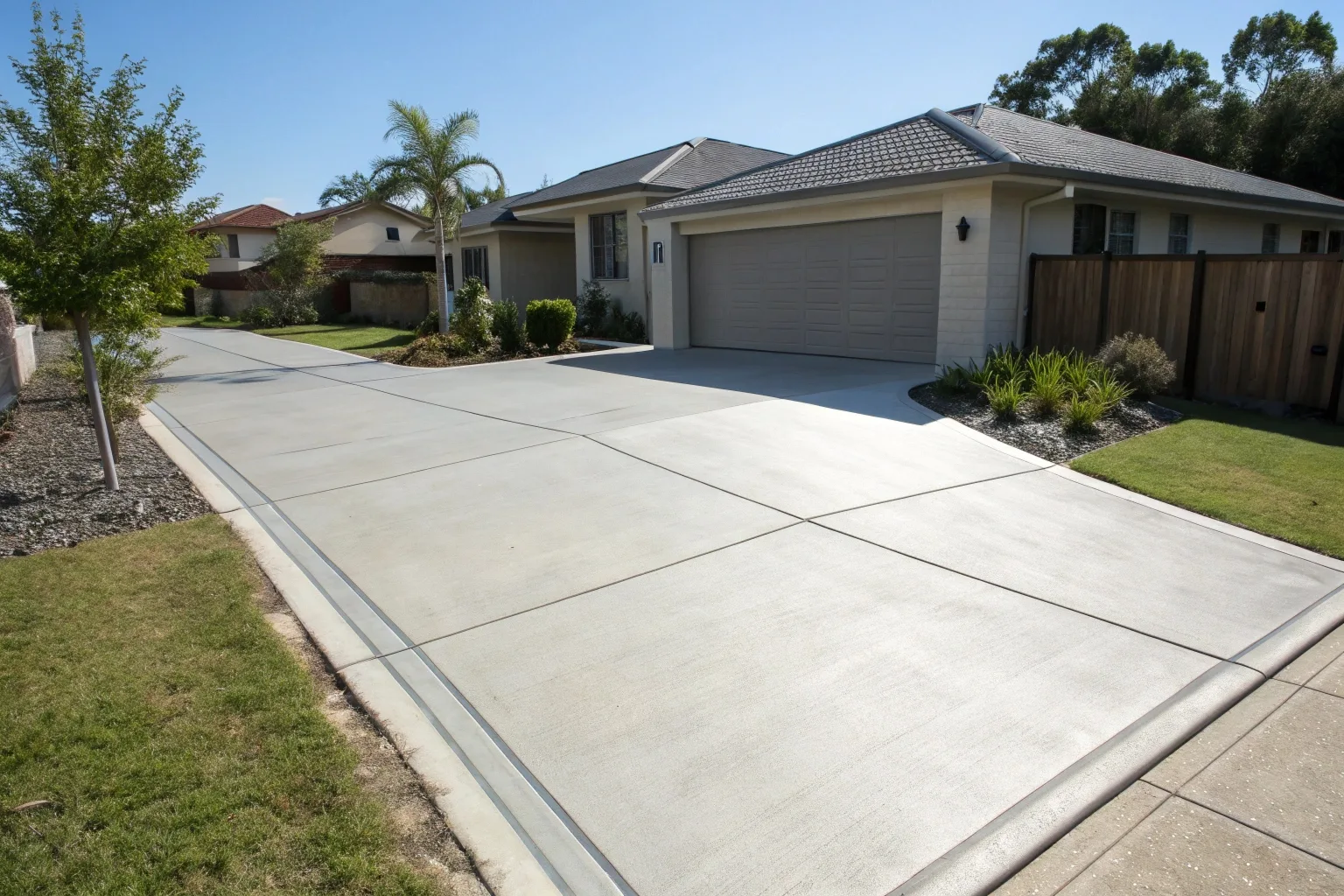
A concrete slab is only as good as what’s underneath it. That’s true everywhere, but it matters more in Canberra than in most parts of Australia, because much of the region sits on reactive clay soils that behave very differently to the sandy or stable ground found elsewhere.
What “Reactive” Clay Actually Means
Reactive clay soil expands when it absorbs moisture from rain and shrinks again as it dries out. That movement happens beneath the surface, largely out of sight, but it puts real pressure on anything sitting on top of it — including a concrete slab. Left unaccounted for, this seasonal swelling and shrinking is one of the most common causes of cracking in slabs that weren’t engineered for it.
Why Base Preparation Comes First
Before any concrete is poured, the ground itself needs to be assessed and prepared to handle this movement. That generally involves:
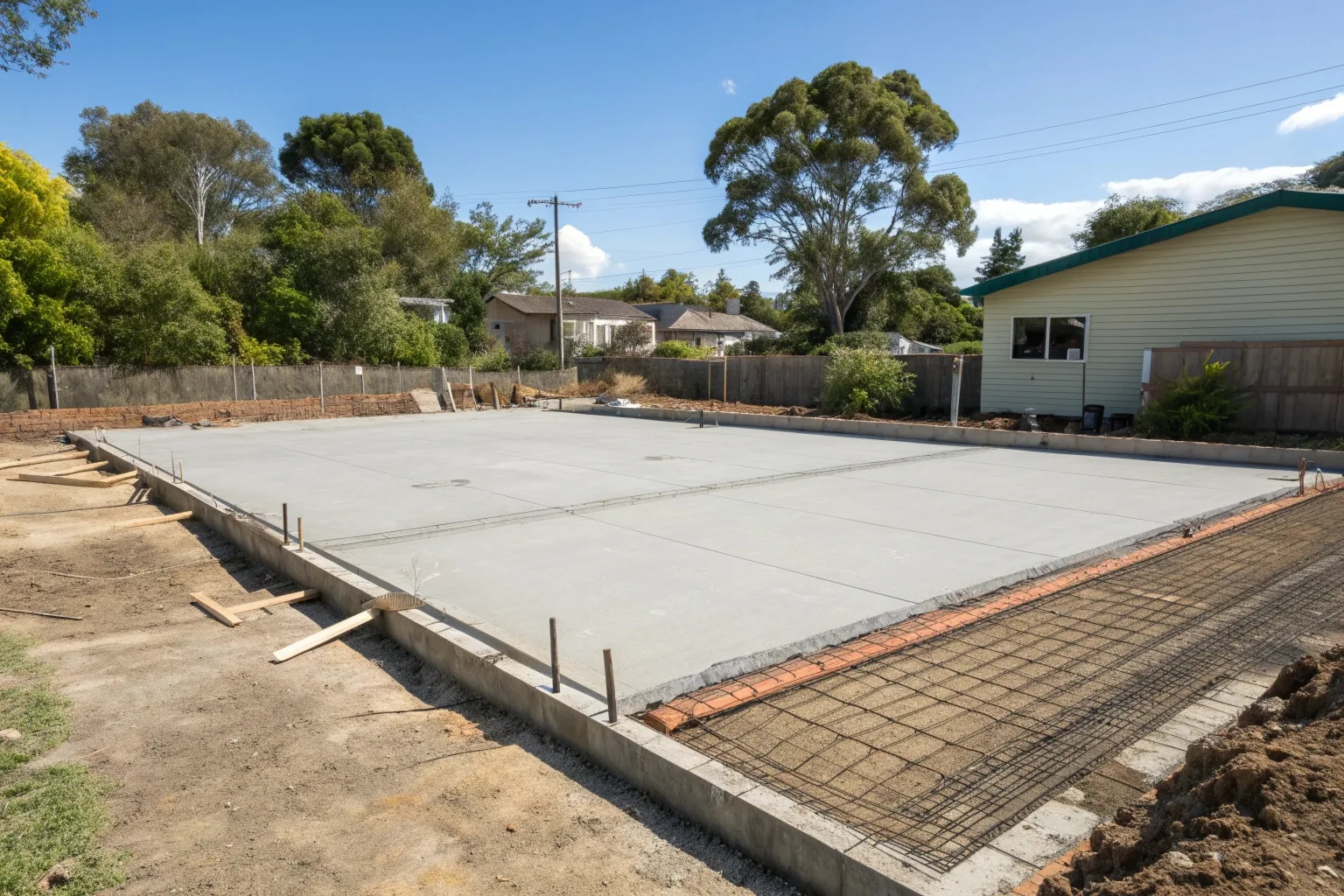
- Proper site excavation and compaction of the base material.
- Reinforcement sized to the soil classification for that specific property, not a generic one-size-fits-all approach.
- Correctly placed control joints to manage the concrete’s own natural movement as it cures and ages.
Skipping or under-specifying any of these steps is where a lot of slab problems originate — and by the time cracking shows up on the surface, the real cause is usually something that should have been addressed in the base, months or years earlier.
Shed Slabs, House Slabs and Extensions
The same clay-soil principles apply whether it’s a full house slab, a shed base, or an extension foundation — the scale changes, but the underlying engineering approach doesn’t. A shed slab on unprepared reactive clay is just as vulnerable to movement-related cracking as a house slab, even though it’s a much smaller pour.
How This Connects to Everything Built on Top
A slab’s foundation work doesn’t just affect the slab itself — it’s the starting point for whatever gets built on top of it, structurally and financially. It’s worth treating the base preparation stage as the most important part of the entire project, not a step to rush through on the way to the parts you can actually see. If you’re weighing up who to trust with that stage of the job, our guide on choosing a concreter in Canberra covers what’s worth checking before you commit. This matters most in newer estates like Gungahlin, where reactive clay soils are especially common.
Frequently Asked Questions
How do I know if my property has reactive clay soil?
A soil classification report (usually done by a geotechnical assessment) will confirm the exact soil reactivity for a specific site, which then informs how the slab and its reinforcement are designed.
Can an existing cracked slab be fixed without replacing it?
It depends on the cause and severity of the cracking. Surface-level cracking may be repairable, while cracking caused by inadequate base preparation may require more significant remedial work. An on-site assessment is the only way to know for certain.
Does a shed slab need the same level of preparation as a house slab?
The core principles — compaction, reinforcement suited to the soil, and correctly placed control joints — apply regardless of the slab's size or purpose.
Ready to Get Started?
Get a free, no-obligation quote for your project — Canberra-wide, ACT-standard concrete work.